The FIFA World Cup 2026 is shaping up to be more than just a football event—it’s becoming a moment of change. This time, there’s real attention on making the experience better for disabled fans. Instead of treating accessibility as a small detail, it’s being built into the entire plan. From stadiums to transport, things are being designed with people in mind. And honestly, it’s about time football felt truly open to everyone.
Football Is Finally Becoming More Inclusive
For years, many worldcup disabled fans 2026 disabled fans have struggled to fully enjoy live matches. Long stairs, poor seating, and lack of support made things harder than they should be.
Now, FIFA is putting more focus on inclusion. The goal isn’t to create a “separate” experience—it’s to make sure everyone shares the same excitement, in the same space, without barriers.
Three Countries, One Big Responsibility
What makes this World Cup different is that it’s being hosted by three countries: United States, Canada, and Mexico. That sounds exciting, but it also means more responsibility. Each country has its own systems, but for 2026, they need to work together. The aim is simple—no matter where a match is played, disabled fans should have a smooth and comfortable experience. Mexico vs South Africa World Cup 2026 Preview, Prediction & Analysis.
Stadiums Are Being Designed for Real Comfort
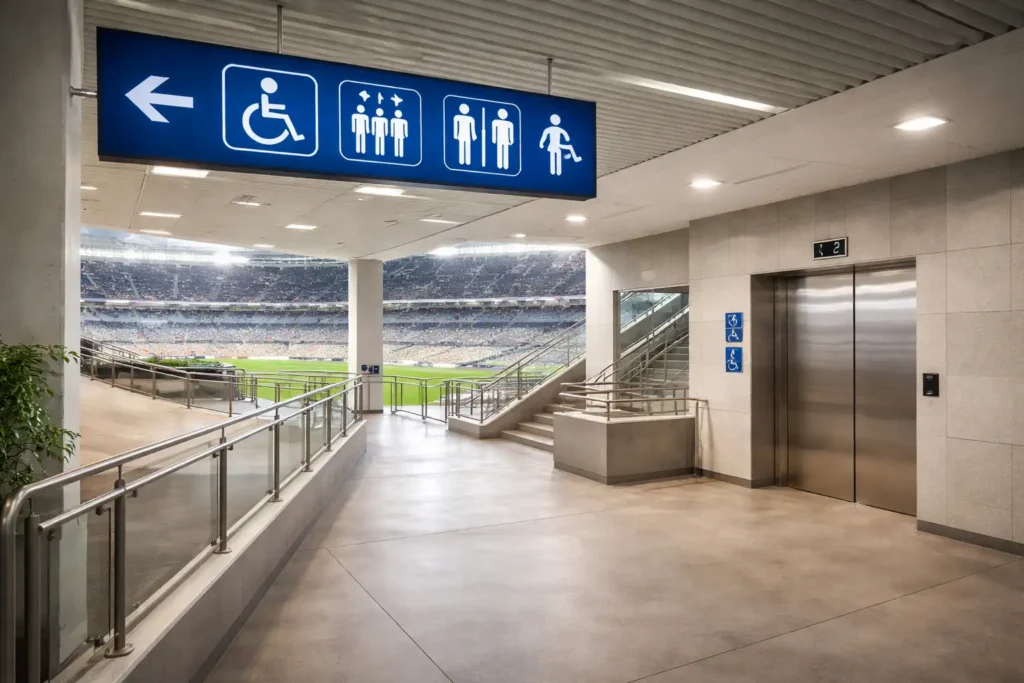
Accessibility is no longer just about adding a ramp at the entrance. Stadiums are being improved in ways that actually matter.
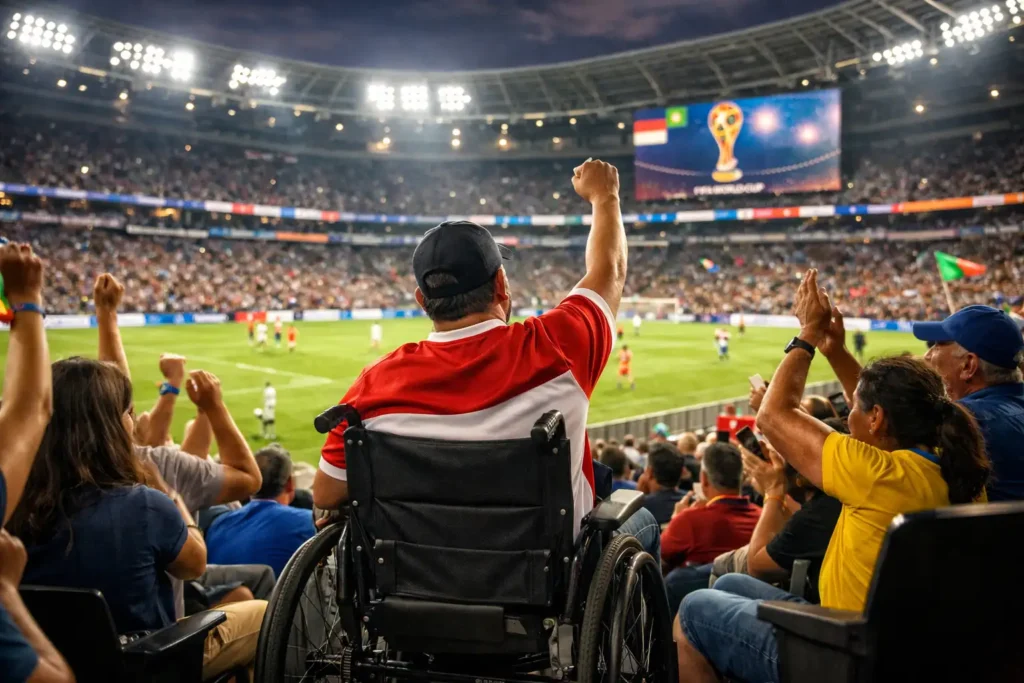
Wheelchair users can expect better seating positions with clear views of the pitch. Pathways will be wider, and moving around won’t feel like a challenge. Even basic things like restrooms and entrances are being designed to be easier and more practical.
Getting to the Match Shouldn’t Be Stressful
One of the biggest problems in big events is transportation. Getting to the stadium can sometimes be harder than watching the match itself.
For 2026, cities are working on better options. Accessible buses, trains, and shuttle services are expected to make travel smoother. Airports are also improving assistance, so the journey feels manageable from start to finish.
Ticket Booking Made Simpler
Buying tickets shouldn’t feel confusing or unfair. That’s why special arrangements are being planned for worldcup disabled fans 2026 disabled fans.
There will be designated seating options, space for companions, and clearer booking systems. The focus is on making things simple, so fans don’t have to struggle just to secure a seat.
Technology Will Make Things Easier
Technology is quietly becoming a big helper here. Simple features can make a huge difference.
Apps may offer voice guidance, directions inside stadiums, and real-time updates. For fans with hearing or vision challenges, this kind of support can turn a stressful situation into a smooth experience.
Real People, Real Support
Accessibility isn’t just about buildings—it’s also about people.
Staff and volunteers will be trained to help when needed. Whether it’s guiding someone to their seat or offering quick assistance, having the right support can completely change the experience for disabled fans.
There Are Still Some Challenges
Even with all these improvements, not everything will be perfect.
Different countries may handle things slightly differently. Large crowds can also create difficulties, especially during big matches. But the important thing is that these challenges are being recognized—and worked on.
Why This Really Matters
At the end of the day, this isn’t just about infrastructure or planning.
It’s about giving every fan the chance to feel the atmosphere, cheer for their team, and be part of something special. Disabled fans don’t want special treatment—they just want equal access to the same moments everyone else enjoys.
A Small Change That Could Mean a Lot
The FIFA World Cup 2026 could set a new standard for future events.
If things go right, this could push other tournaments to follow the same path. And that means better experiences, not just in football, but across all sports.
About the Author