The FIFA World Cup is the biggest football event on the planet and it’s not just exciting for fans. It also opens doors for thousands of people looking to gain real-world experience in sports, hospitality, media, and more. Whether you’re a student, a sports enthusiast, or a professional looking for short-term international work, the 2026 World Cup in the USA, Canada, and Mexico is packed with opportunities. In this guide, we’ll break down the different Football Jobs at FIFA World Cup 2026 available, what it takes to land them, and tips to make your application stand out.
Table of Contents
- What is FIFA World Cup 2026?
- Different Types of Football Jobs
- Event & Stadium Roles
- Media & Broadcasting Jobs
- Hospitality & Customer Service
- IT & Technical Jobs
- Volunteer Opportunities
- Who Can Work at the World Cup?
- Step-by-Step Application Guide
- Best Websites to Find Jobs
- Tips to Increase Your Chances
- Pay and Perks
- Challenges to Keep in Mind
- Conclusion
What is FIFA World Cup 2026?
The FIFA World Cup 2026 is set to be the largest football tournament ever, with 48 teams competing across three host countries: the USA, Canada, and Mexico. Organized by FIFA, the World Cup draws millions of fans both in stadiums and online, making it a massive production behind the scenes. Every goal scored on the field is supported by countless Football Jobs at FIFA World Cup 2026 — from managing fans in stadiums to broadcasting the matches worldwide. This is your chance to be part of a historic global event while gaining valuable experience. World Cup 2026 Groups, Full Bracket & Predictions (All 48 Teams Confirmed).
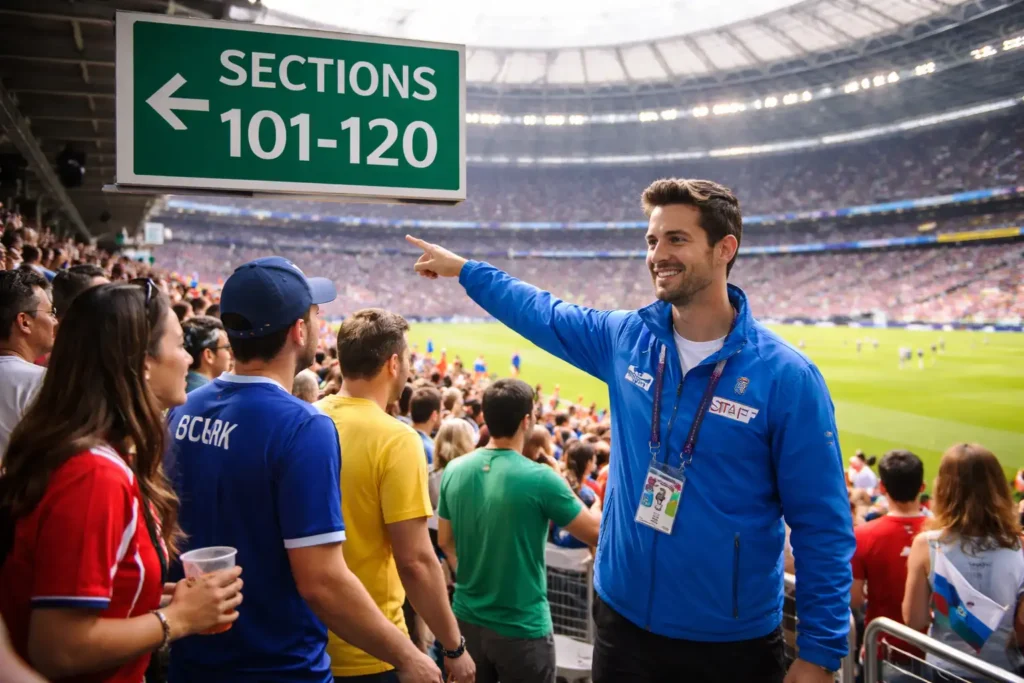
Different Types of Football Jobs
The World Cup creates opportunities in a wide range of fields. Let’s explore the main categories:
1. Event & Stadium Roles
- Ticketing Staff: Help fans get into the stadium quickly and safely.
- Security & Crowd Control: Ensure safety and smooth movement of attendees.
- Operations Assistants: Support logistics, signage, and matchday coordination.
2. Media & Broadcasting Jobs
- Camera Operators & Technicians: Capture live action for TV and streaming.
- Content Creators & Social Media Managers: Share highlights, updates, and fan reactions online.
- Sports Journalists & Commentators: Provide real-time analysis and match reports.
3. Hospitality & Customer Service
- Hotel & Guest Services Staff: Assist fans, players, and VIP guests.
- VIP Coordinators: Organize exclusive experiences for sponsors and officials.
- Food & Beverage Teams: Keep stadiums and fan zones running smoothly.
4. IT & Technical Jobs
- Website & App Support: Ensure online platforms work flawlessly.
- Data Analysts: Track ticket sales, audience metrics, and match stats.
- IT Technicians: Manage networks, systems, and event technology.
5. Volunteer Opportunities
Volunteers are essential. They guide fans, help with media, and assist teams. While unpaid, volunteering gives you insider access, valuable connections, and the chance to witness football legends up close.
Who Can Work at the World Cup?
Eligibility varies by role, but generally:
- Age: Most paid roles require 18+, volunteers may be younger.
- Language Skills: English is essential; Spanish, French, or local languages are a plus.
- Experience & Skills: Hospitality, media, IT, or logistics skills improve your chances.
- Legal Requirements: Work visas and permits for host countries are mandatory.
Step-by-Step Application Guide
- Check FIFA Careers Page: Official roles are listed here.
- Create an Account: Set up your profile and upload a CV.
- Search for Roles: Use keywords like “stadium staff,” “football operations,” or “volunteer.”
- Submit Your Application: Tailor your CV to highlight relevant experience.
- Prepare for Interviews: Know FIFA’s values, your role, and demonstrate teamwork.
Pro Tip: Applying early increases your chances. Many positions are filled months in advance.

Best Websites to Find Jobs
- FIFA Careers – official portal.
- LinkedIn & Indeed – filter by event-specific keywords.
- Local Organizing Committees (LOCs) – host country committees often post jobs.
- Recruitment Agencies – especially for hospitality, IT, and technical positions.
Tips to Increase Your Chances
- Tailor Your CV: Highlight sports, event, or customer service experience.
- Show Soft Skills: Teamwork, problem-solving, and flexibility are valued.
- Consider Volunteer Work: A volunteer role can lead to paid opportunities.
- Stay Informed: Follow FIFA updates for new openings or deadlines.
- Network: Connect with previous World Cup staff for insider advice.
Pay and Perks
- Salaries vary widely based on role and host country.
- Temporary roles often include accommodation, travel support, or per diem.
- Volunteers gain experience, networking opportunities, and exclusive match access.
Challenges to Keep in Mind
- High Competition: Thousands of applicants for limited positions.
- Temporary Nature: Most jobs last only for the tournament duration.
- Long Hours: Match days can be exhausting and require flexibility.
Conclusion
Working at the FIFA World Cup 2026 is more than a job — it’s a once-in-a-lifetime experience. From stadium operations to media production, there’s a role for nearly every skill set. Start early, prepare your CV, and stay proactive. Whether paid or voluntary, participating gives you hands-on experience, global exposure, and connections that can last a lifetime.
About the Author