Football fans around the world were expecting Eduardo Camavinga to become one of the key stars of the FIFA World Cup 2026. The French midfielder has already shown incredible talent at a young age, playing for both club and country with maturity far beyond his years. His energy, ball control, defensive awareness, and ability to dominate the midfield made many fans believe he would be one of France’s most important players in the next World Cup. But football can be unpredictable. In recent months, discussions have started growing around the possibility that Camavinga may not play in FIFA World Cup 2026. Injuries, squad competition, tactical decisions, and the evolution of the French national team have all created uncertainty about his future role.
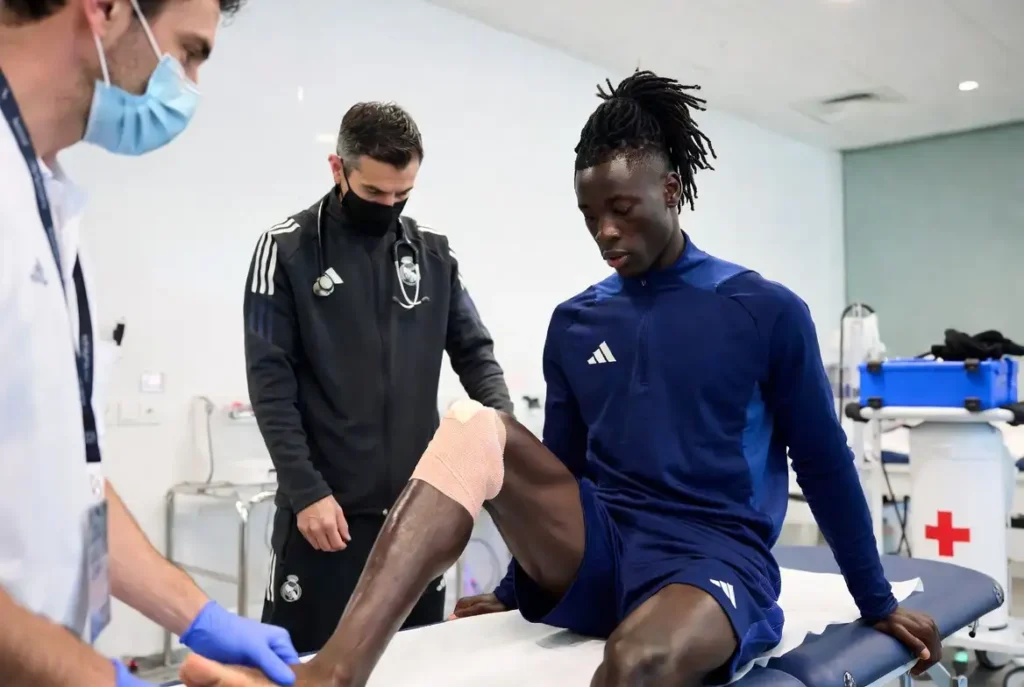
For many football fans, especially those who closely follow France and European football, this feels surprising. Camavinga was once seen as untouchable for the future of France’s midfield. However, modern football moves quickly, and even the most talented players can face difficult moments. In this article, we will explore the biggest reasons why Eduardo Camavinga may not appear at FIFA World Cup 2026 and what this situation could mean for both the player and the French national team.
Eduardo Camavinga’s Rise in World Football
Before discussing why he may miss the tournament, it is important to understand why Camavinga became such a highly rated player in the first place.
Camavinga emerged as one of Europe’s brightest young talents while playing in France at a very young age. His calmness on the ball, defensive intelligence, and confidence immediately caught attention. Soon after, he earned a move to Real Madrid, one of the biggest football clubs in the world. Playing for Real Madrid helped him develop even faster. He learned how to perform under pressure, compete at the highest level, and adapt to multiple positions. Whether in midfield or as a temporary left-back, Camavinga showed versatility that coaches love.
For France, he also looked like a future leader. Fans imagined him becoming the engine of the national team for the next decade. That is why current doubts surrounding his World Cup 2026 participation feel emotional for many supporters.
Injury Problems Changed Everything
One of the biggest reasons behind concerns over Camavinga’s World Cup future is injuries. Football at the highest level is physically demanding. Players compete in domestic leagues, cup competitions, international tournaments, and Champions League matches almost nonstop. This intense schedule has affected many young stars in recent years.
Camavinga has faced several injury setbacks that interrupted his rhythm and consistency. Even small injuries can become major problems when players miss important training sessions or key international matches. For midfielders, maintaining physical sharpness is extremely important. The role requires constant movement, pressing, tackling, recovery runs, and quick transitions. If a player is not fully fit, coaches may hesitate to rely on them during a major tournament like the World Cup. Another issue is timing.
When injuries happen close to international competitions, national team coaches often prefer fully fit alternatives. Even if a player recovers in time, managers sometimes worry about fitness levels, match rhythm, or reinjury risks.
This is likely one of the biggest factors creating uncertainty around Camavinga’s place in France’s future plans.
France Has Incredible Midfield Depth
Another major reason is the unbelievable competition inside the French national team. France consistently produces world-class midfielders. Over the years, the country has developed elite talents capable of controlling games at the highest level. Even making the France squad is extremely difficult. Players competing in similar roles include experienced stars, defensive midfielders, box-to-box players, and younger emerging talents. Coaches must balance creativity, defensive stability, physicality, and tactical flexibility.
This creates a situation where even top-quality players can miss out. Unlike smaller football nations where talented individuals are automatic starters, France has luxury options in almost every position. One injury, drop in form, or tactical mismatch can completely change squad selection. Camavinga’s versatility is useful, but it can also create complications. Sometimes players without a fixed role become tactical substitutes instead of guaranteed starters.
In tournaments as important as the World Cup, coaches usually prefer players who perfectly fit specific systems. That means Camavinga is not only fighting against injuries — he is also fighting against elite-level competition within his own national team.
Tactical Changes Could Affect His Role
Modern football is heavily tactical. National team coaches now analyze every detail: pressing structure, positional discipline, defensive transitions, passing angles, and attacking movement. A player’s talent alone is no longer enough. France’s tactical approach may also influence Camavinga’s future.
Depending on the system used, the coaching staff may prioritize different types of midfielders. Some systems require a deep defensive midfielder, while others focus on creativity or physical presence. Camavinga is extremely dynamic, but there are situations where coaches may prefer midfielders with more attacking output or more defensive specialization. This does not mean Camavinga lacks quality.
Instead, it reflects how tactical football has become. Sometimes world-class players miss tournaments simply because they do not perfectly fit a manager’s strategy at that specific moment. We have seen similar situations happen throughout football history. Great players occasionally struggle to secure places because coaches want balance rather than individual brilliance alone.
For Camavinga, adapting to France’s evolving tactical identity could become one of the biggest challenges before World Cup 2026.
Didier Deschamps May Prioritize Experience
Another important factor is the decision-making of Didier Deschamps. Deschamps is known for valuing tactical discipline, reliability, and tournament experience. He prefers players who can follow structured systems under pressure. At international tournaments, managers often choose trust over potential.
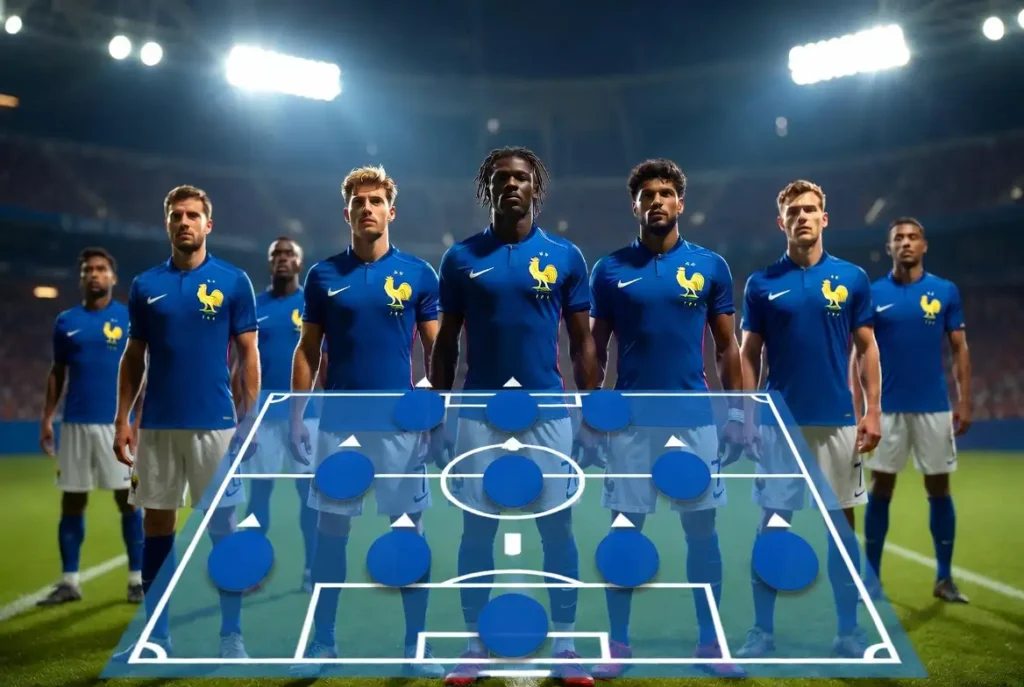
Even talented younger players sometimes lose out to experienced footballers who already understand tournament football. Coaches want stability, leadership, and players capable of handling pressure moments. Camavinga is talented enough to compete, but selection decisions are never simple.
Deschamps must think about:
- Team chemistry
- Squad balance
- Injury concerns
- Tactical flexibility
- Tournament mentality
Sometimes a manager may feel another player provides a safer option for specific matches. This is especially true in knockout football, where one mistake can eliminate a team from the tournament. France enters every major competition with expectations of winning the trophy. That pressure naturally makes squad selection even more difficult.
The Physical Demands of Modern Football
There is another important reason fans sometimes overlook. Modern football is exhausting.
Players today run more, press harder, and play more matches than previous generations. Midfielders especially face huge physical pressure because they operate in both defensive and attacking phases. Camavinga’s energetic style is one of his greatest strengths, but it also puts stress on the body. Constant intensity increases injury risks and fatigue over long seasons.
By the time World Cup 2026 arrives, many players will already be physically drained after difficult club seasons. Tournament football requires players to stay fit across multiple high-pressure matches in a short period. Coaches therefore carefully monitor fitness, recovery, and endurance. If Camavinga struggles physically before the tournament, France may choose safer alternatives. This situation is unfortunate, but it reflects the harsh reality of elite football today.
Fans Are Heartbroken About the Possibility
Football fans genuinely love Camavinga. His passion, humble personality, and exciting playing style made him popular across the world. Young fans especially admire his confidence and composure at such a young age. That is why discussions about him potentially missing World Cup 2026 have created emotional reactions online. Many supporters believe he represents the future of French football. Others feel his versatility and energy make him unique compared to other midfielders.
Social media discussions show mixed emotions:
- Some fans think he will recover and return stronger
- Others worry injuries may continue affecting his progress
- Many simply hope to see him healthy again
Football supporters always connect emotionally with talented players, especially those who show dedication and passion on the field. For French fans, seeing a player like Camavinga miss the World Cup would feel disappointing because they know how much quality he can bring to the squad.
Can Eduardo Camavinga Still Return?
Absolutely.
Football careers are full of unexpected comebacks. Many legendary players faced injuries, criticism, or difficult moments before returning stronger than ever. Camavinga is still young, talented, and highly respected in world football. Missing one tournament — if it happens — would not define his career.
In fact, setbacks often motivate elite athletes to improve even more. Camavinga already has experience competing at the highest level with Real Madrid, and that environment helps players grow mentally.
There is still plenty of time for him to:
- Recover physically
- Regain full consistency
- Improve tactically
- Re-establish himself for France
Fans should remember that football changes quickly. A player doubted today can become essential tomorrow. Camavinga has all the tools needed to return stronger.
What This Means for France
If France eventually enters World Cup 2026 without Camavinga, it would still be a major talking point. France remains one of the strongest national teams in world football, but losing a player with Camavinga’s qualities could reduce midfield flexibility and depth.
He brings:
- Ball-winning ability
- Technical control
- Energy
- Tactical adaptability
- Big-match experience
Not many players combine all those qualities naturally.
France may still remain tournament favorites, but Camavinga’s absence would definitely be noticed by football experts and fans worldwide. Major tournaments are often decided by squad depth, injuries, and tactical adjustments. Losing even one versatile midfielder can affect an entire tournament campaign.
Final Thoughts
Eduardo Camavinga missing the FIFA World Cup 2026 would be one of the biggest football stories surrounding the tournament. From injuries and tactical decisions to intense competition inside the France squad, several factors are creating uncertainty around his future participation. Still, football is unpredictable.
Camavinga remains one of the most talented midfielders of his generation, and writing him off completely would be a mistake. Whether he returns stronger or faces more challenges, his story is far from over. For now, fans around the world can only hope that one of football’s brightest young stars gets the chance to shine on the biggest stage once again.
About the Author