The FIFA World Cup 2026 is going to be massive. Fans from all over the world are already planning trips, saving money, and dreaming about watching matches live in the stadium. But here’s the problem—whenever something gets this big, scams follow. Fake ticket sellers, copy websites, and shady deals start popping up everywhere. And honestly, a lot of smart people still fall for them. If you don’t want your dream trip to turn into a nightmare, you need to learn how to avoid World Cup ticket scams the right way. Don’t worry—this guide keeps things simple and real.
Why Ticket Scams Are Growing Fast
Think about it… millions of fans, limited tickets, and crazy demand. That’s the perfect setup for scammers. They know people panic when tickets sell out. That’s when fake “last chance” deals appear. Social media, WhatsApp groups, even professional-looking websites—everything can look real at first glance. The truth is, scammers don’t look like scammers anymore. That’s why learning their patterns is the first step to avoid World Cup ticket scams. Learn More About Fantsay Tips and Tricks.
Where You Should Actually Buy Tickets
Let’s keep this simple—there’s only one safest place: official sources. FIFA’s official ticket portal is your best option. Sometimes there are authorized partners too, but anything outside that is risky territory.
If someone says:
- “I have guaranteed tickets”
- “No queue, instant booking”
- “Special VIP access”
Yeah… that’s usually where things go wrong.
Most Common Scams Fans Fall For
You don’t need to know every scam Must the common ones:
- Fake websites that copy FIFA design
- Instagram or Facebook sellers offering “cheap tickets”
- WhatsApp deals that disappear after payment
- Fake e-tickets with invalid QR codes
- Emails saying you “won tickets”
A lot of these feel real because they look professional. That’s exactly how people get trapped.
Simple Red Flags (Don’t Ignore These)
Sometimes your gut feeling is enough—but here are clear warning signs:
- Price is too good to be true
- Seller is rushing you (“buy now or gone”)
- Payment only via bank transfer or crypto
- No official receipt or confirmation
- Profile looks new or suspicious
If even one of these shows up, step back. This is where most people fail to avoid World Cup ticket scams.
How to Check If a Ticket Is Real
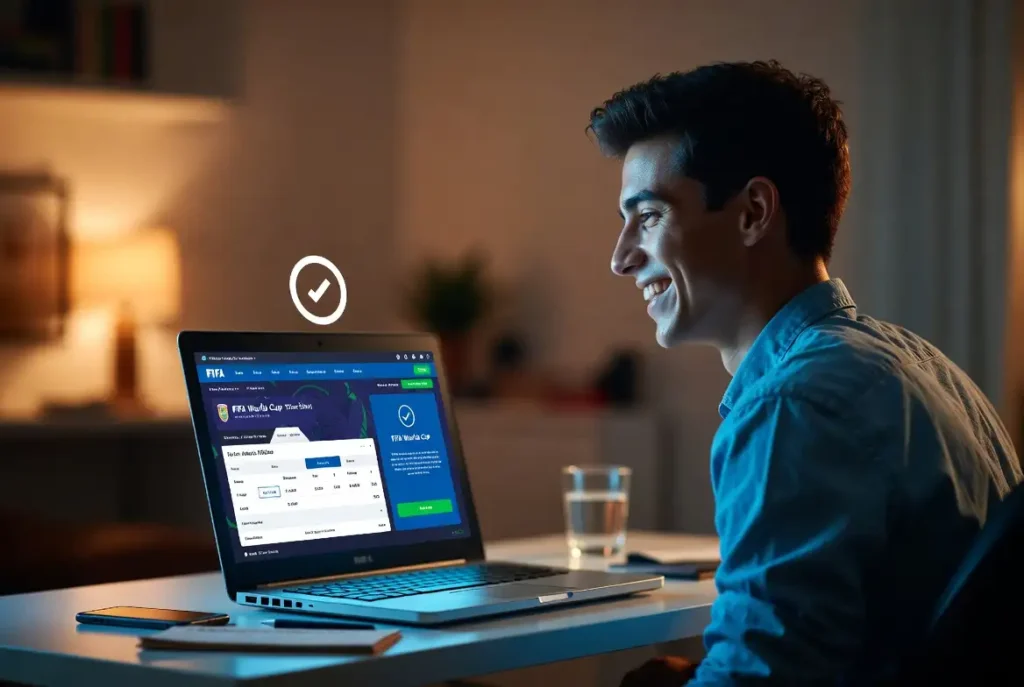
Before you pay anything, just pause for a minute and check:
- Look at the website URL carefully (tiny spelling changes matter)
- Make sure there’s a secure lock (HTTPS)
- Search reviews about the seller or website
- Compare details with official FIFA info
Honestly, this small step can save you a lot of money and stress.
Best Way to Pay (Stay Protected)
Your payment method is your safety net.
Go with:
- Credit cards (best for refunds)
- Trusted payment gateways
Avoid:
- Direct bank transfers
- Crypto payments
- “Friends & family” options
Once money is sent through unsafe methods, it’s almost gone. No second chances.
Buying Resale Tickets? Read This First
Sometimes tickets sell out—no problem. But resale is risky.
Here’s how to stay safe:
- Use only official resale platforms
- Never trust random DMs or strangers
- Confirm if ticket transfer is allowed
Most scams happen in resale. This is where you need to be extra careful to avoid World Cup ticket scams.
If You Get Scammed (Act Fast)
If something goes wrong, don’t panic—but don’t wait either:
- Call your bank immediately
- Report the transaction
- File a complaint
- Inform FIFA or relevant platform
The faster you act, the better your chances.
Extra Tips (From Real Experience)
Let me keep this real and simple:
- Don’t rush—tickets come in phases
- Don’t trust hype or pressure
- Always double-check everything
- Keep proof of every step
Buying tickets should feel exciting, not stressful.
Conclusion
At the end of the day, it’s not that hard to stay safe you just need to stay aware. Most people who get scammed didn’t double-check or rushed into a deal. If you stay calm, follow basic checks, and stick to official sources, you’ll easily avoid World Cup ticket scams. And once your ticket is secure, you can finally focus on what really matters enjoying the World Cup experience.
FAQs
Always use FIFA’s official ticket platform.
Not always, but extremely low prices are a big warning sign.
Yes, many fake tickets look exactly like original ones.
No, most scams happen through social platforms.
About the Author