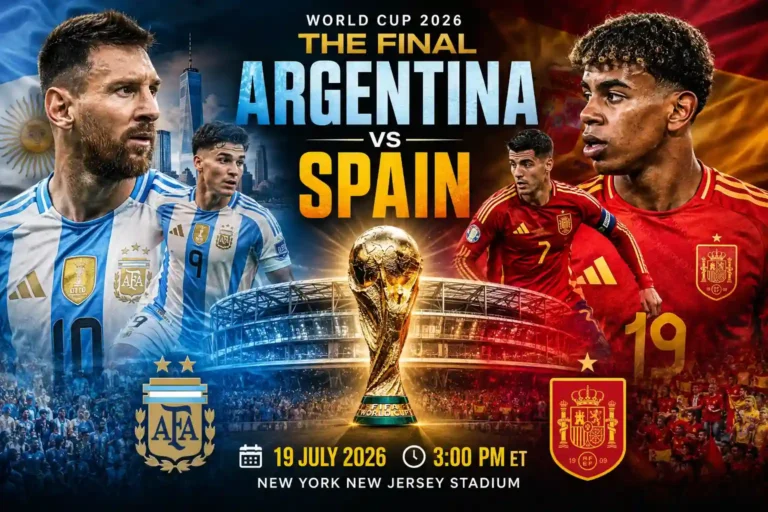
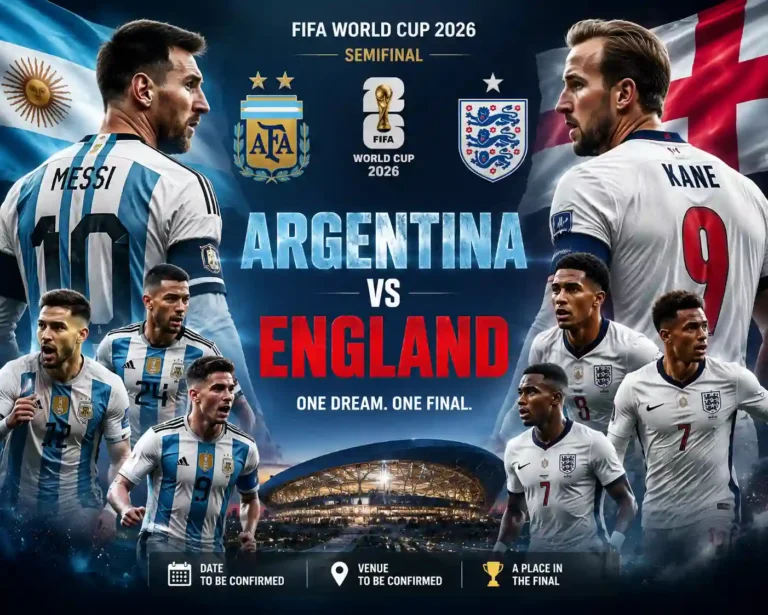
The FIFA World Cup 2026 is already shaping up to be the most exciting tournament in football history. With 48 teams, 104 matches, and three host nations the United States, Canada, and Mexico the competition will be bigger than ever before.
However, the expanded format is not the only major change fans should be aware of. FIFA and the International Football Association Board (IFAB) have introduced several new football rules designed to improve match flow, reduce time-wasting, enhance fairness, and create a better viewing experience for supporters around the world.
From stricter goalkeeper regulations to expanded VAR powers, these changes could have a significant impact on how teams play and how matches are decided during the tournament.
FIFA World Cup 2026: A New Era of Football
The 2026 World Cup will be the first edition featuring 48 national teams instead of 32. FIFA believes the larger format will increase global participation and create new opportunities for emerging football nations.
Key tournament facts include:
- 48 participating teams
- 104 matches
- 16 host cities
- 3 host countries
- Largest World Cup in history
With more matches and a longer schedule, FIFA wants games to be played more efficiently. That is one of the main reasons behind the latest football law changes.
Why FIFA Introduced New Rules Before World Cup 2026
Modern football has faced criticism for excessive time-wasting, lengthy VAR reviews, and unnecessary interruptions.
FIFA’s goal is simple:
- Increase effective playing time
- Reduce delays
- Improve referee decision-making
- Protect players
- Make matches more entertaining
The new regulations are expected to make games faster, fairer, and more enjoyable for supporters worldwide.
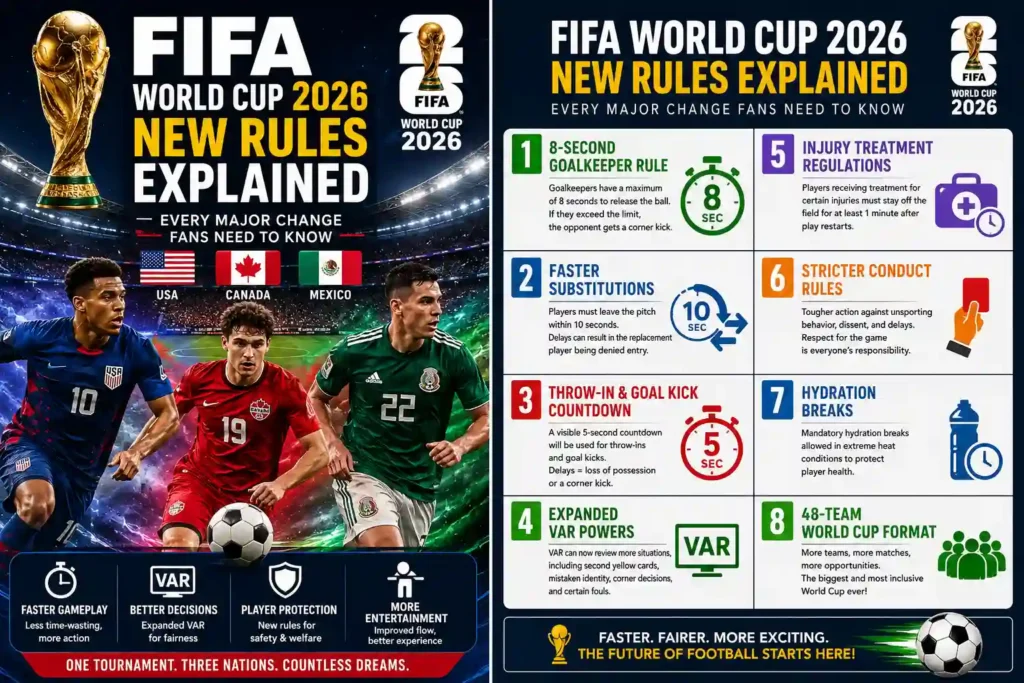
1st Rule: The New Goalkeeper Time-Wasting Rule
One of the most talked-about changes involves goalkeepers.
Under the new law, goalkeepers are no longer allowed to hold the ball for extended periods while trying to waste time.
How the Rule Works
Goalkeepers have a maximum of eight seconds to release the ball.
If they exceed the limit:
- The opposing team is awarded a corner kick.
- Referees may use visible countdown signals.
Why This Rule Matters
Time-wasting has frustrated fans for years. Teams protecting a lead often rely on goalkeepers to slow the game down.
This rule encourages:
- Faster restarts
- More attacking football
- Increased match intensity
For fans, it means less frustration and more action.
2nd Rule: Faster Substitutions
Substitutions are also changing before World Cup 2026.
The New Requirement
Players leaving the field during substitutions must do so within 10 seconds.
If a player deliberately delays:
- The replacement player may be prevented from entering immediately.
- The team could temporarily play with fewer players.
Impact on Matches
This rule targets players who slowly walk off the pitch to waste valuable seconds late in games.
Benefits include:
- Faster gameplay
- Fewer interruptions
- More accurate stoppage time
Coaches will need to manage substitutions more carefully than ever before.
3rd Rule: New Throw-In and Goal Kick Countdown
Another major change focuses on restart delays.
Throw-Ins
Players will have limited time to take throw-ins.
If they delay excessively:
- Possession can be awarded to the opposing team.
Goal Kicks
Goalkeepers and defenders must restart play promptly.
Failure to do so may result in:
- A corner kick awarded to the opposition.
Why FIFA Supports This Change
Research shows that delayed restarts significantly reduce effective playing time.
FIFA hopes these rules will create:
- More continuous action
- Better match rhythm
- Less gamesmanship
4th Rule: Expanded VAR Powers
Video Assistant Referee (VAR) technology remains one of football’s most debated innovations.
For World Cup 2026, VAR will receive expanded authority.
Additional Situations VAR Can Review
VAR may now intervene in cases involving:
- Incorrect second yellow cards
- Mistaken player identity
- Certain corner-kick decisions
- Key incidents missed by on-field officials
Advantages
Expanded VAR powers could:
- Improve accuracy
- Reduce controversial decisions
- Ensure fair outcomes
Potential Concerns
Some fans worry that more reviews could slow matches down.
FIFA insists the goal is quicker and more efficient decision-making rather than additional interruptions.
5th Rule: New Injury Treatment Regulations
Fake injuries have become a growing issue in modern football.
To address this problem, FIFA introduced new treatment procedures.
What Changes?
Players receiving treatment for certain injuries must remain off the field for a short period after play resumes.
FIFA’s Objective
The rule aims to:
- Discourage simulation
- Reduce tactical stoppages
- Improve game flow
Teams may need to adapt their strategies because they cannot rely on injury breaks to disrupt opponents’ momentum.
6th Rule: Stricter Conduct Rules
Player and team behavior is receiving increased attention.
New Expectations
FIFA wants:
- Greater respect for referees
- Reduced confrontation
- Better sportsmanship
Possible Punishments
Unsporting behavior may result in:
- Yellow cards
- Red cards
- Team sanctions
The governing body believes these measures will improve the overall image of football.
7th Rule: Increased Focus on Player Welfare
The 2026 tournament will take place during summer across North America, where temperatures can become extremely high.
Hydration Breaks
Referees can introduce hydration breaks when conditions require.
Benefits
Hydration breaks help:
- Prevent heat-related illness
- Improve player safety
- Maintain performance levels
This is particularly important in cities expected to experience high temperatures during the tournament.
How These Rules Will Change the World Cup
The cumulative impact of these rule changes could be significant.
Faster Match Tempo
Fans should expect:
- Quicker restarts
- Less time-wasting
- More active play
More Attacking Football
With fewer opportunities to delay the game, teams may be encouraged to attack rather than simply defend leads.
Better Decision-Making
Expanded VAR powers could reduce controversial moments and improve fairness.
Greater Pressure on Goalkeepers
Goalkeepers will need to make decisions more quickly and manage possession carefully.
Which Teams Could Benefit Most?
Some nations may adapt more easily than others.
High-Pressing Teams
Teams that already play aggressive football could gain an advantage because opponents will have less opportunity to slow games down.
Young and Athletic Squads
Faster-paced matches often favor energetic teams capable of maintaining intensity throughout 90 minutes.
Teams With Strong Depth
The expanded tournament schedule means squad rotation could become even more important.
Players Most Affected by the New Rules
Goalkeepers
No position faces greater change than goalkeepers.
They must:
- Release the ball faster
- Make quicker decisions
- Avoid costly penalties
Defenders
Defenders will need to organize quickly during restarts and avoid unnecessary delays.
Referees
Officials must consistently enforce the new laws while managing player reactions.
Biggest Debates Surrounding FIFA’s New Rules
Not everyone agrees with the changes.
Supporters Say
The rules will:
- Reduce time-wasting
- Increase entertainment
- Improve fairness
Critics Say
Some believe:
- Referees may gain too much influence
- VAR could become even more controversial
- Players need time to adapt
The debate is likely to continue throughout the tournament.
Predictions: What Will We See at World Cup 2026?
Several trends could emerge because of these rule changes.
More Effective Playing Time
Matches should feature more actual football and fewer stoppages.
Increased Scoring Opportunities
Faster restarts may create additional attacking situations.
Greater Tactical Innovation
Coaches will develop new strategies to maximize the benefits of the updated laws.
Improved Fan Experience
Ultimately, FIFA hopes supporters will enjoy a more exciting and dynamic tournament.
What Fans Should Watch For
As World Cup 2026 approaches, keep an eye on:
- Goalkeeper countdown enforcement
- VAR interventions
- Substitution procedures
- Hydration breaks
- Time-wasting penalties
These elements could influence crucial matches and even determine who lifts the trophy.
Final Thoughts
The FIFA World Cup 2026 will not only be the biggest tournament in football history—it could also become one of the most transformative. New rules targeting time-wasting, substitutions, VAR decisions, player conduct, and injury management are designed to modernize the game and improve the experience for everyone involved.
While some changes remain controversial, FIFA believes they will create faster, fairer, and more entertaining matches. For fans, the message is clear: World Cup 2026 won’t just feature more teams and more matches. It will introduce a new era of football where every second matters. As the countdown to kickoff continues, these rule changes may become one of the most important storylines of the tournament.
About the Author