The FIFA World Cup 2026 continues to deliver surprises, excitement, and unforgettable moments as the group stage heats up. Football fans around the world witnessed another dramatic day of action featuring three highly anticipated matches. While Brazil and the Netherlands were expected to secure victories, both football giants were forced to settle for draws against determined opponents. Meanwhile, Sweden produced one of the most dominant performances of the tournament so far with a commanding win over Tunisia.
From Morocco’s resilience against Brazil to Japan’s impressive display against the Dutch and Sweden’s attacking masterclass, these results have already begun reshaping the group-stage picture. Let’s take a closer look at what happened and what it means for the FIFA World Cup 2026 going forward.
FIFA World Cup 2026 Results at a Glance
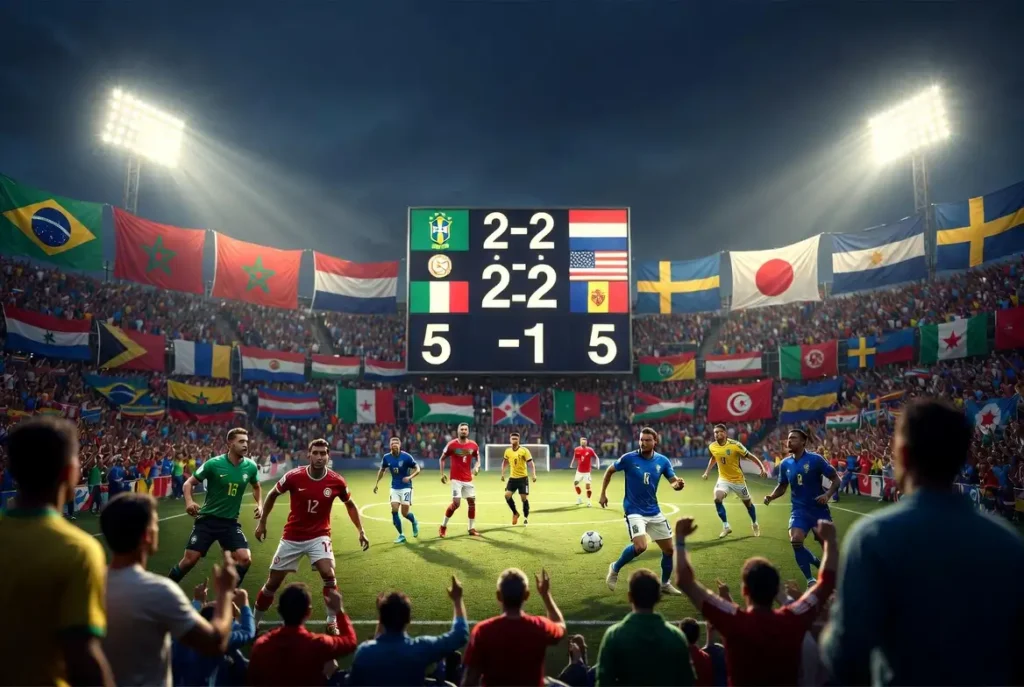
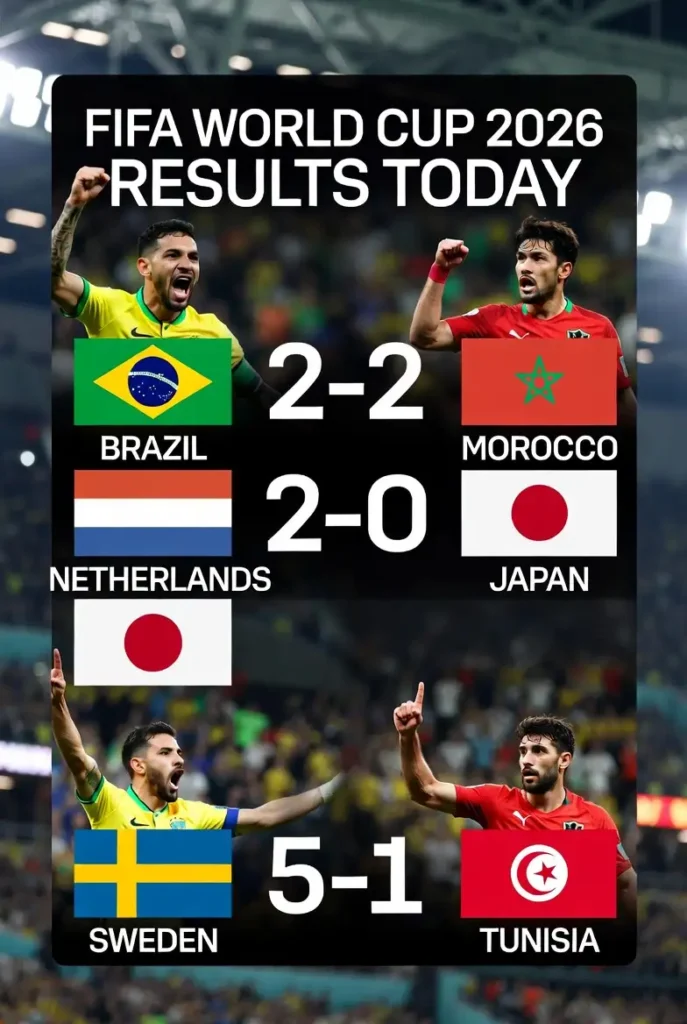
The latest group-stage matches produced the following results:
- Brazil 2-2 Morocco
- Netherlands 2-2 Japan
- Sweden 5-1 Tunisia
These scorelines may not have been predicted by many fans, but they highlight one of the biggest themes of the 2026 tournament so far: there are no easy matches.
The gap between traditional football powerhouses and emerging football nations continues to shrink, making every game highly competitive.
Brazil Held by Morocco in a Thrilling 2-2 Draw
Brazil entered the match as clear favorites. With one of the most talented squads in the competition, many expected the South American giants to secure all three points.
Instead, Morocco once again proved why they have become one of international football’s most respected teams.
An Entertaining Contest from Start to Finish
The match delivered exactly what fans hoped for: goals, attacking football, and plenty of drama.
Brazil showed flashes of brilliance going forward, creating multiple scoring opportunities and demonstrating their trademark attacking flair. However, Morocco remained organized and disciplined throughout the match.
Every time Brazil appeared ready to take control, Morocco found a response.
The result was a thrilling 2-2 draw that left supporters of both teams feeling mixed emotions.
Morocco Continues to Impress on the World Stage
Morocco’s performance was another reminder that its recent international success was no accident.
The North African side displayed:
- Excellent defensive organization
- Smart tactical discipline
- Dangerous counterattacking play
- Strong team chemistry
Against one of football’s most successful nations, Morocco showed confidence and composure. Their ability to compete with Brazil sends a clear message to the rest of the tournament.
Brazil Shows Strengths but Also Concerns
While Brazil’s attack looked dangerous, there were moments when defensive weaknesses became visible.
Key concerns included:
- Defensive transitions
- Maintaining concentration after scoring
- Finishing chances efficiently
Brazil still possesses enough quality to challenge for the World Cup title, but this draw serves as a warning that improvements are needed if they hope to lift the trophy.
Impact on Group C
The draw keeps both teams firmly in contention for qualification.
Morocco will view the point as a major achievement, while Brazil may feel they missed an opportunity to take early control of the group.
The battle for the top spots in Group C remains wide open.
Netherlands and Japan Share Points in an Exciting 2-2 Draw
If Brazil vs Morocco was surprising, Netherlands vs Japan was equally fascinating.
Many experts expected the Dutch side to dominate possession and eventually secure victory. Instead, Japan produced one of its strongest World Cup performances in recent years.
Japan Refuses to Be Intimidated
From the opening whistle, Japan played with confidence.
Their approach combined:
- High pressing
- Quick passing
- Tactical discipline
- Intelligent movement off the ball
The Japanese players showed no fear against one of Europe’s traditional football powers. This confidence allowed them to compete on equal terms throughout the match.
Netherlands Struggles to Control the Game
The Netherlands enjoyed periods of possession and created dangerous attacking moments. However, they struggled to fully control the game’s tempo.
Japan repeatedly found spaces in transition and capitalized on defensive lapses. The result was an entertaining 2-2 draw that showcased the strengths of both teams.
Why Japan Could Be a Dark Horse
Japan has steadily improved in recent World Cups, earning respect for its tactical intelligence and technical quality.
This performance reinforced the belief that Japan could become one of the surprise teams of the FIFA World Cup 2026.
Their key strengths include:
- Team organization
- Work rate
- Technical ability
- Tactical flexibility
If they continue playing at this level, a place in the knockout rounds looks increasingly realistic.
What the Result Means for Group F
The draw leaves qualification scenarios wide open.
Neither side gained full control of the group, meaning upcoming matches will carry enormous significance.
Both teams remain strong contenders for progression, but neither can afford to lose focus.
Sweden Thrashes Tunisia 5-1 in Statement Victory
While the first two matches ended level, Sweden delivered a completely different story.
The Scandinavian side produced one of the most impressive displays seen at the FIFA World Cup 2026 so far.
Sweden Dominates from Start to Finish
From the opening minutes, Sweden looked sharper, faster, and more clinical.
Their attacking movement caused constant problems for Tunisia’s defense.
Every area of the pitch appeared under Swedish control.
The final score of 5-1 accurately reflected the difference between the two teams on the day.
A Five-Star Attacking Performance
Sweden’s attack operated at an elite level.
They combined:
- Clinical finishing
- Quick transitions
- Creative passing
- Intelligent positioning
The team’s ability to convert chances into goals made the difference.
Few teams at the tournament have looked as efficient in front of the goal.
Tunisia’s Difficult Night
For Tunisia, it was a match to forget.
Defensive mistakes proved costly, and the team struggled to contain Sweden’s relentless attacks.
Despite showing moments of determination, Tunisia could not recover after falling behind.
The result leaves them facing significant pressure in upcoming fixtures.
Sweden Emerges as a Serious Contender
Before the tournament, Sweden may not have been among the favorites to win the World Cup.
However, this performance has certainly attracted attention.
Their combination of organization, physicality, and attacking quality suggests they could become one of the most dangerous teams in the competition.
The rest of Group F will now view Sweden with increased caution.
Biggest Winners of the Day
Sweden
No team enhanced its reputation more than Sweden.
Scoring five goals in a World Cup match demonstrates confidence, quality, and momentum.
The result also provides a valuable goal-difference advantage that could prove important later in the group stage.
Morocco
Holding Brazil to a draw feels almost like a victory.
Morocco gained a crucial point while proving they can compete with the tournament’s elite teams.
Japan
Japan once again showed why they are becoming a consistent force in international football.
A draw against the Netherlands strengthens their chances of reaching the knockout stage.
Biggest Disappointments
Brazil
Although unbeaten, Brazil expected three points.
The draw leaves room for improvement and raises questions about defensive consistency.
Netherlands
The Dutch team remains one of the strongest squads in the tournament, but many fans anticipated a more convincing performance.
Tunisia
Conceding five goals creates immediate pressure ahead of the next group-stage match.
The team must respond quickly to keep qualification hopes alive.
What These Results Tell Us About the FIFA World Cup 2026
Several important trends are already becoming clear.
Underdogs Are More Competitive Than Ever
Morocco and Japan demonstrated that reputation alone no longer guarantees victory.
Modern football has become increasingly balanced, allowing smaller nations to challenge traditional powers.
Tactical Organization Matters
Teams with strong tactical systems continue to succeed.
Morocco, Japan, and Sweden all showed excellent structure and discipline.
Every Point Matters
In an expanded World Cup featuring 48 teams, group-stage points remain incredibly valuable.
One draw or victory can dramatically change qualification scenarios.
Fans Are Witnessing an Unpredictable Tournament
The early stages of the FIFA World Cup 2026 have already delivered surprises. This unpredictability is making the competition even more exciting for supporters worldwide.
Looking Ahead to the Next Round of Matches
Brazil will aim to bounce back and demonstrate why they remain one of the tournament’s favorites. Morocco will seek to build on their confidence and move closer to qualification. The Netherlands must improve defensively if they hope to top Group F. Japan now has an excellent opportunity to strengthen its position. Meanwhile, Sweden will attempt to maintain momentum and confirm their status as one of the tournament’s most impressive teams. With every match carrying enormous significance, the battle for knockout-stage places is only beginning.
Final Thoughts
The latest FIFA World Cup 2026 action provided everything football fans could ask for: goals, drama, surprises, and unforgettable performances. Morocco earned global admiration by holding Brazil to a thrilling draw. Japan continued its rise in international football by matching the Netherlands. Sweden delivered a powerful statement with a dominant victory over Tunisia. Perhaps most importantly, these results remind us why the World Cup remains the biggest sporting event on the planet.
Anything can happen. As the tournament progresses, fans can expect even more twists, surprises, and memorable moments on the road to the FIFA World Cup 2026 final.
About the Author