Football is changing faster than ever, and the 2026 World Cup is expected to push those changes even further. With 48 teams, three host countries, and more matches than any previous tournament, tactics will play a bigger role than pure talent.
The upcoming tournament will not just be about scoring goals it will be about control, structure, and smart decision-making on the pitch. Many analysts believe that Tactical Trends World Cup 2026 will define a new era of modern football, where flexibility and intelligence matter as much as skill.
How the 48-Team Format Will Change the Game
The expansion to 48 teams will completely reshape how managers approach matches. Instead of a short, intense group stage, teams will now face more games and more varied opponents.
Smaller nations are expected to focus heavily on defensive organization, while stronger teams will rotate squads more frequently to manage fatigue. This creates a tournament where consistency matters more than one strong performance. This shift is a key part of Tactical Trends World Cup 2026, as coaches will need to balance risk and rest in every stage of the competition.
High Pressing Will Become More Intelligent
Pressing is no longer just about running aggressively at opponents. In 2026, teams will use “smart pressing” systems based on triggers like bad touches, slow passes, or isolated defenders. Instead of constant pressure, teams will choose moments to strike. This saves energy and improves defensive structure when pressing fails. With more matches and hotter conditions across North America, energy management will be crucial, making tactical discipline more important than ever.
Hybrid Formations Will Dominate Modern Football
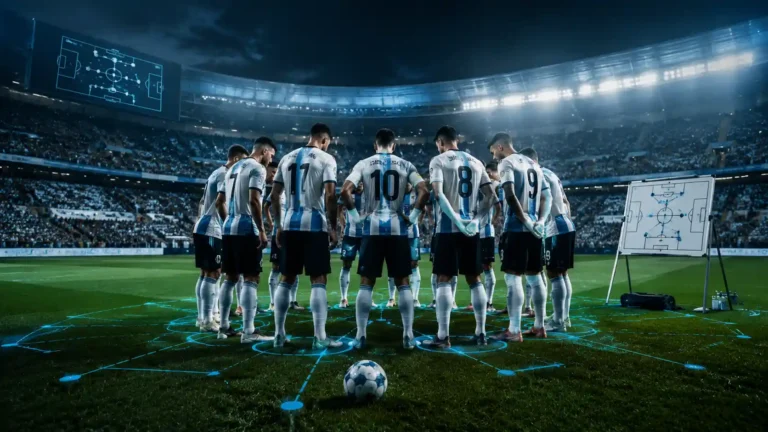
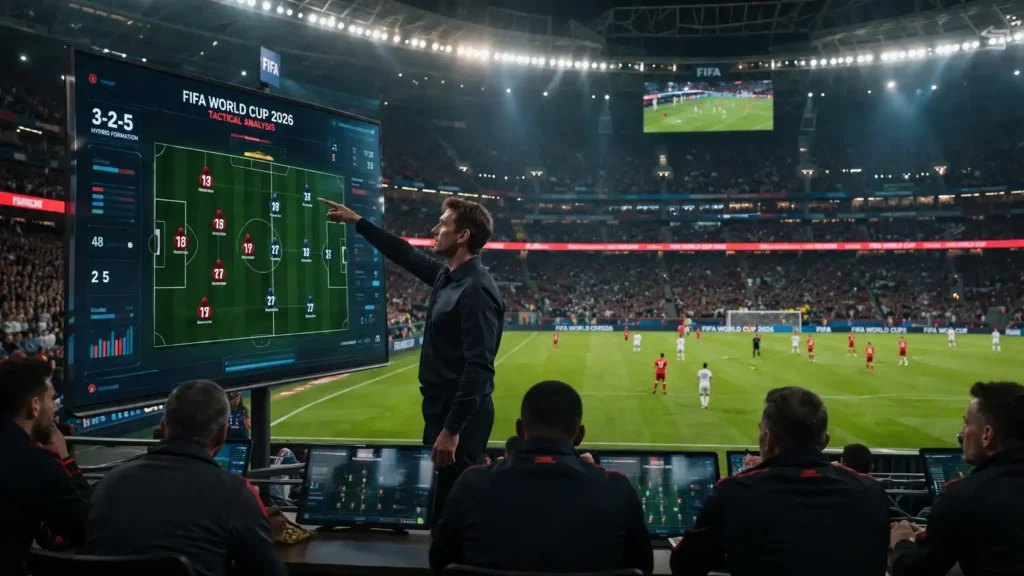
One of the biggest changes in modern football is the disappearance of fixed formations. Teams now shift shapes depending on possession. For example, a 4-3-3 can quickly become a 3-2-5 when attacking. Full-backs often move into midfield, while midfielders push higher to overload defenses. This fluid system is a core part of Tactical Trends World Cup 2026, where structure is flexible and players must constantly adapt to different phases of play. Coaches will prefer systems that allow fast transitions between defense and attack without losing balance.
Versatile Players Will Be More Valuable Than Stars
Gone are the days when players stayed in one position for the entire match. Modern football demands flexibility. Players who can defend, create chances, and press effectively will be highly valuable. Instead of relying on one superstar, teams will focus on balanced squads with adaptable roles. In high-pressure tournaments like the World Cup, versatility often decides matches more than individual brilliance.
Data and Analytics Will Shape Tactical Decisions
Modern football is deeply influenced by data. Coaches now use advanced analytics to decide formations, substitutions, and pressing intensity. Real-time match data helps teams identify weaknesses during games. This means tactical changes can happen instantly instead of waiting for halftime. This evolution is a major driver of Tactical Trends World Cup 2026, where decisions will increasingly be supported by technology rather than instinct alone.
Set-Pieces Will Become a Major Weapon
In tightly contested matches, set-pieces often decide results. Teams are now spending more time designing complex corner and free-kick routines. With defenses becoming stronger and more organized, breaking teams down in open play is harder. That’s why set-pieces are becoming a reliable scoring method. Even smaller teams can compete against giants if they master these situations.
Defensive Structure Will Beat Pure Possession
Possession football is still important, but controlling the game does not always mean winning it. Many teams are shifting toward compact defensive systems and quick counter-attacks. Instead of holding the ball for long periods, they focus on efficiency and direct play. This balance between defense and attack is shaping Tactical Trends World Cup 2026, where patience and discipline often outperform flashy passing styles.
Fast Transitions Will Decide Matches
Speed is becoming one of the most important tactical weapons. Teams that can switch quickly from defense to attack will create the most danger. A single interception can turn into a scoring chance within seconds. Because of this, players must think faster and move smarter. Transitions are now just as important as possession itself in modern football strategy.
Goalkeepers Will Act as Playmakers
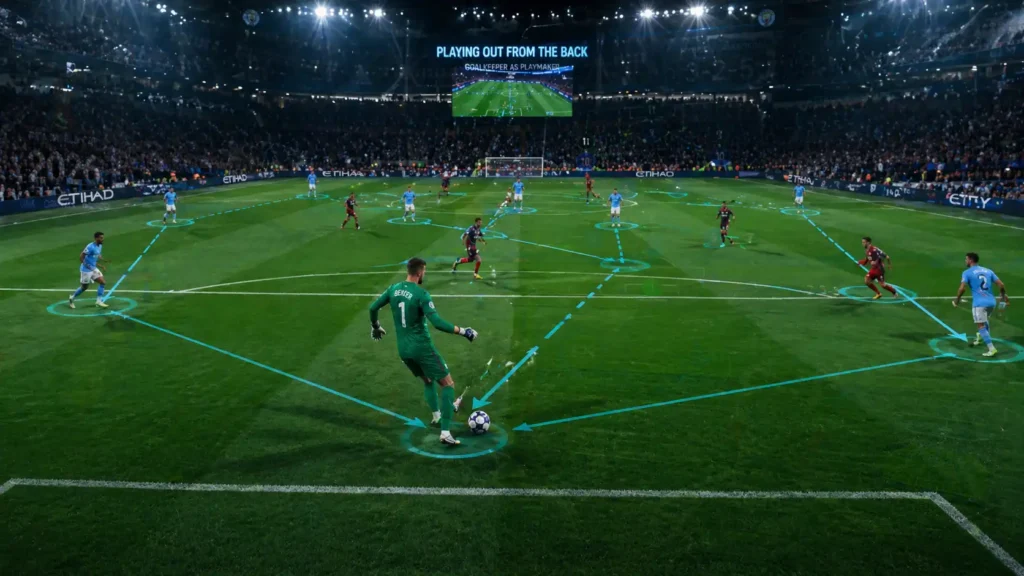
Modern goalkeepers are no longer just shot-stoppers. They are now involved in building attacks from the back. Their passing ability, composure under pressure, and positioning are becoming key tactical factors. Many teams use goalkeepers to start attacking plays and break pressing systems. This evolution adds another layer to modern tactical setups.
Travel and Climate Will Affect Tactical Planning
One unique challenge in 2026 is the tournament’s geography. Matches will be played across the USA, Canada, and Mexico, meaning long travel distances and different climates. Coaches will need to rotate players more often and adjust tactics based on fatigue levels. Some games may be slower due to travel recovery, while others may require high intensity. Managing these external factors will be as important as on-field strategy.
Underdogs Will Rely on Surprise Tactics
Smaller teams often succeed by being unpredictable. In 2026, we can expect underdogs to use unusual formations and compact defensive systems to shock bigger teams. Counter-attacking football, deep defensive lines, and set-piece strategies will be their main tools. These surprises are what make tournaments exciting and unpredictable.
Conclusion
The 2026 World Cup is shaping up to be one of the most tactical tournaments in football history. With more teams, more matches, and more pressure, coaches will need to think smarter than ever before. From intelligent pressing to hybrid formations and data-driven decisions, modern football is entering a new phase. And at the center of it all, Tactical Trends World Cup 2026 will define how the game is played at the highest level. Fans should expect a tournament where strategy matters just as much as skill—and where small tactical details could decide who lifts the trophy.
About the Author