The FIFA World Cup has always been football’s biggest global event, but the 2026 edition is set to become the most revolutionary tournament in history. Fans around the world are already asking one major question: what is new in FIFA World Cup 2026 and why is this tournament creating so much excitement?
From the expanded 48-team format to high-tech stadiums and a historic three-country hosting model, FIFA World Cup 2026 will completely change the way international football tournaments are experienced. The competition will be bigger, longer, more competitive, and more global than ever before.

For football lovers, this tournament is not just another World Cup. It represents the future of the sport. New nations will get the chance to shine, fans will enjoy improved matchday experiences, and modern technology will play a huge role on and off the pitch. In this article, we will explore what is new in FIFA World Cup 2026, including all the major changes, new rules, fan experiences, stadium innovations, and why this edition could become the greatest World Cup ever played.
FIFA World Cup 2026 at a Glance
The FIFA World Cup 2026 will be jointly hosted by the United States, Canada, and Mexico. This will be the first World Cup in history hosted by three different nations.
The tournament is expected to feature:
- 48 national teams
- 104 total matches
- 16 host cities
- Millions of traveling football fans
- Advanced football technology and digital experiences
This massive expansion reflects FIFA’s plan to grow football globally and make the World Cup more inclusive for nations across every continent. One of the biggest reasons fans are searching for what is new in FIFA World Cup 2026 is because the tournament structure itself has changed dramatically compared to previous editions.
The New 48-Team World Cup Format
Perhaps the biggest change in World Cup history is the expansion from 32 teams to 48 teams. For decades, only 32 nations competed in the tournament. Starting in 2026, FIFA will allow 48 countries to qualify. This change opens the door for many nations that previously struggled to reach the World Cup stage.
How the New Format Works
The new format will include:
- 12 groups
- 4 teams in each group
- More knockout-stage rounds
- Additional high-pressure matches
The top teams from each group, along with selected best-performing third-place teams, will advance to the knockout rounds.
This means fans will enjoy:
- More football matches
- More international rivalries
- More chances for surprise upsets
- Greater diversity in playing styles
Smaller football nations from Asia, Africa, and North America now have a realistic opportunity to qualify and compete against elite football powers.
Three Host Countries for the First Time Ever
Another historic feature of FIFA World Cup 2026 is the unique hosting arrangement.
Never before has the World Cup been hosted by three countries simultaneously. The tournament will spread across North America, giving fans a completely new football-travel experience.
Host Nations Overview
United States
The USA will host the majority of matches and some of the world’s most modern stadiums. Cities like:
- New York/New Jersey
- Los Angeles
- Dallas
- Miami
- Atlanta
are expected to become major football hotspots during the tournament.
Canada
Canada will bring a fresh football atmosphere with cities such as:
- Toronto
- Vancouver
Canadian football has grown rapidly in recent years, making its involvement especially exciting.
Mexico
Mexico already has deep World Cup history. Legendary stadiums and passionate football culture will once again create unforgettable moments.
Mexico will also become the first country ever to host three separate FIFA World Cups.
Advanced Football Technology
Technology will play a bigger role than ever before in World Cup 2026. Modern football is becoming increasingly data-driven, and FIFA plans to enhance both fairness and fan engagement through innovation.
Improved VAR System
The Video Assistant Referee system is expected to become faster and more accurate. Officials will likely receive:
- Better camera angles
- Faster replay systems
- AI-assisted decision support
This could reduce controversial decisions during important matches.
Semi-Automated Offside Technology
After successful use in recent tournaments, semi-automated offside technology will become even more refined in 2026.
The system tracks player movements and ball positioning in real time, helping referees make accurate offside decisions within seconds.
Smart Stadium Experiences
Fans attending matches may experience:
- Digital tickets
- Facial recognition entry systems
- Smart navigation inside stadiums
- Real-time mobile updates
- Interactive fan apps
These upgrades are another major reason why people keep searching for what is new in FIFA World Cup 2026 online.
More Qualification Opportunities for Every Continent
The new format gives more nations a chance to participate.
Increased FIFA Qualification Slots
Here’s how some continents benefit:
- Asia receives more qualification places
- Africa gets expanded representation
- CONCACAF nations gain additional opportunities
- Oceania improves its direct qualification chances
This change could dramatically reshape the global football landscape.
Countries that previously missed out by small margins may now qualify and become surprise packages in the tournament.
More Global Competition
Fans will witness:
- New football cultures
- Emerging tactical styles
- Different fan atmospheres
- Exciting underdog stories
This wider representation will make the World Cup feel more truly global than ever before.
Bigger Stadiums and Enhanced Fan Experience
FIFA World Cup 2026 will feature some of the most advanced stadiums ever used in football history.
Modern Stadium Infrastructure
The tournament venues are expected to include:
- Retractable roofs
- Climate-controlled environments
- Massive HD screens
- Improved seating designs
- Faster transportation access
Many stadiums were originally designed for NFL games, meaning they already offer huge capacities and world-class facilities.
Fan Zones and Entertainment
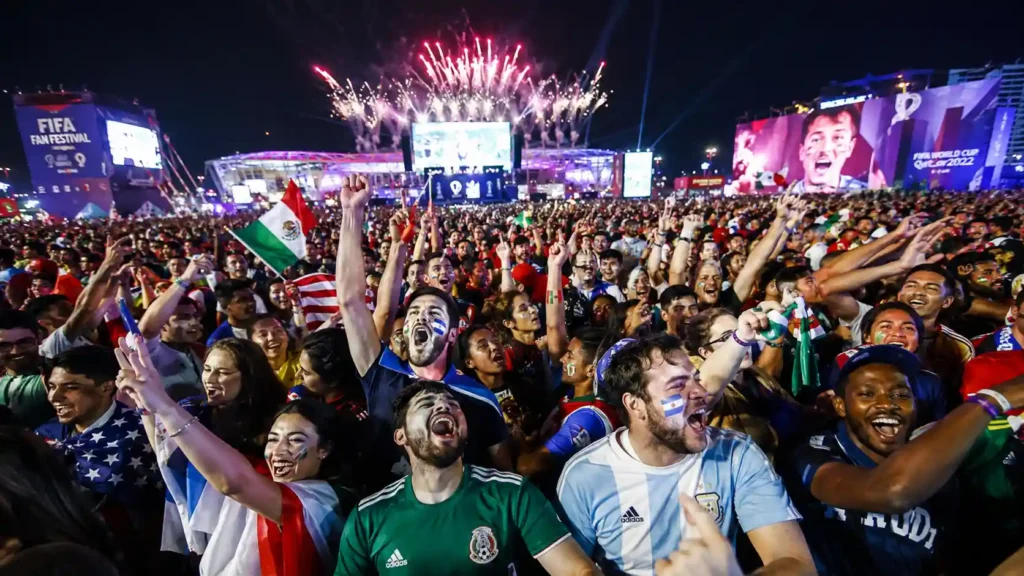
Outside the stadiums, cities will create massive fan festivals featuring:
- Live music
- Food markets
- Football activities
- Cultural events
- Giant public screens
Fans traveling from around the world will experience more than football. They will experience a full football celebration across North America.
New Stars and Future Football Icons
FIFA World Cup 2026 could become the tournament where football’s next generation officially takes over.
Young Players to Watch
Many rising stars are expected to dominate the tournament, including:
- Jude Bellingham
- Lamine Yamal
- Vinícius Júnior
- Kylian Mbappé
These players represent the future of international football and could become the faces of the tournament.
Legendary Players Could Return
There is also huge speculation around legendary football icons potentially appearing in one final World Cup, including:
- Lionel Messi
- Cristiano Ronaldo
Their possible participation continues to generate enormous global interest.
Economic and Cultural Impact of World Cup 2026
The scale of FIFA World Cup 2026 means its impact will go far beyond football.
Tourism Boom
Millions of fans are expected to travel across:
- the United States
- Canada
- Mexico
Hotels, restaurants, airlines, and local businesses are expected to benefit massively from the event.
Football Growth in North America
The tournament could permanently increase football popularity across North America.
Young fans inspired by the World Cup may:
- Join football academies
- Follow professional leagues
- Support national teams
- Increase football participation rates
This long-term impact is one of FIFA’s main goals.
How FIFA World Cup 2026 Will Change Football Forever
The 2026 tournament is more than just a competition. It may reshape football’s future.
Expansion of Global Football
More countries participating means:
- Greater international exposure
- Increased football investment
- More youth development programs
- Stronger football infrastructure worldwide
This could help reduce the gap between elite football nations and emerging countries.
Bigger Commercial Opportunities
The tournament will likely break records in:
- Sponsorship revenue
- TV viewership
- Digital streaming
- Social media engagement
Football is becoming increasingly global, and FIFA World Cup 2026 will reflect that transformation.
Challenges FIFA Could Face
Despite the excitement, there are also concerns surrounding the tournament.
Travel Distances
Because matches are spread across three countries, teams and fans may face:
- Long travel times
- Fatigue
- Scheduling difficulties
Managing logistics will be extremely important.
More Matches and Player Workload
With 104 matches planned, some critics worry about:
- Player exhaustion
- Injury risks
- Overcrowded football calendars
FIFA will need to carefully manage scheduling and player recovery.
Why Fans Are So Excited for FIFA World Cup 2026
Football supporters worldwide believe this could become the most entertaining World Cup ever.
The tournament promises:
- More drama
- More nations
- More goals
- More unforgettable moments
For many fans, the answer to what is new in FIFA World Cup 2026 is simple: almost everything. From modern technology and expanded competition to massive stadiums and global fan celebrations, the tournament represents a completely new era for football.
Final Thoughts
FIFA World Cup 2026 is shaping up to be the biggest and most ambitious football tournament ever created. The expanded 48-team format, advanced technology, three-country hosting model, and upgraded fan experience all combine to create a historic event unlike any previous World Cup.
As football continues to evolve, this tournament may become the blueprint for the future of international competitions. Whether you are excited about new teams, legendary players, innovative stadiums, or unforgettable fan atmospheres, there is no doubt that FIFA World Cup 2026 will redefine global football. And if you are still wondering what is new in FIFA World Cup 2026, the best answer is this: the entire football world is entering a brand-new era.
FAQs
The biggest changes include the 48-team format, three host nations, more matches, advanced football technology, and expanded qualification opportunities.
A total of 48 national teams will participate in the tournament.
The tournament will be hosted by the United States, Canada, and Mexico.
FIFA World Cup 2026 is expected to feature 104 matches.
It marks the beginning of a new era in football with expanded participation, new technologies, and the largest global football event ever organized.
About the Author