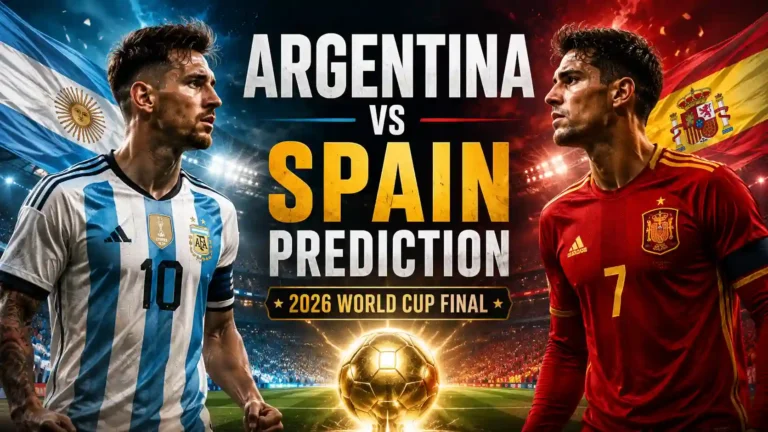
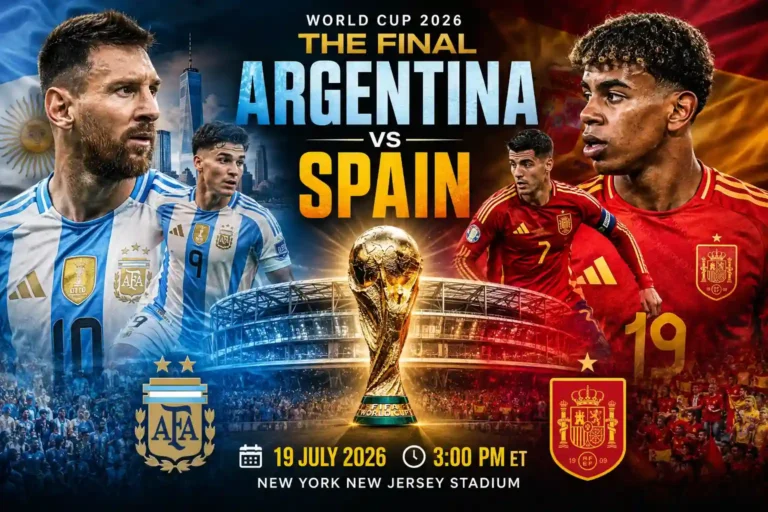
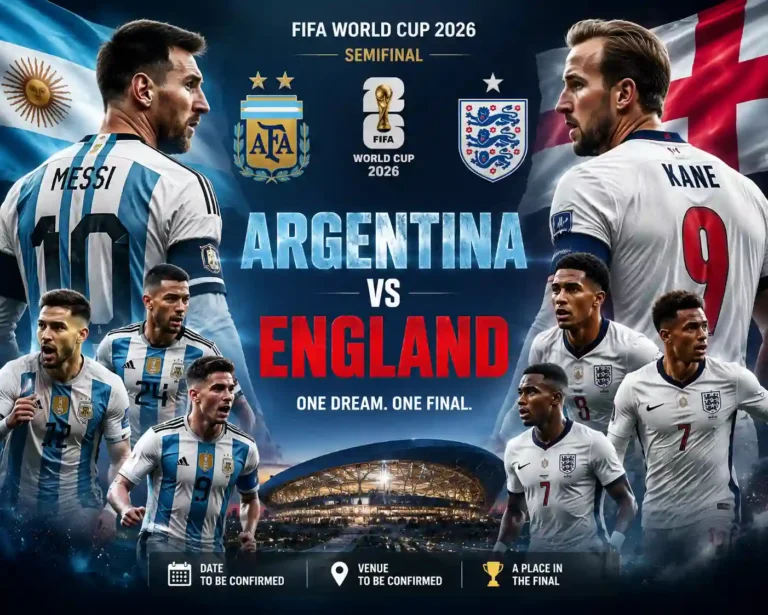
The excitement is building faster than ever. With the FIFA World Cup 2026 just around the corner, a powerful surge of interest — known as the World Cup Wave 2026 — is taking over search engines, travel sites, and social media. Fans worldwide are frantically looking up everything from match schedules to hotel deals and star player updates. This isn’t just another tournament; it’s the biggest World Cup in history with 48 teams, three host countries, and 104 matches spread across North America.
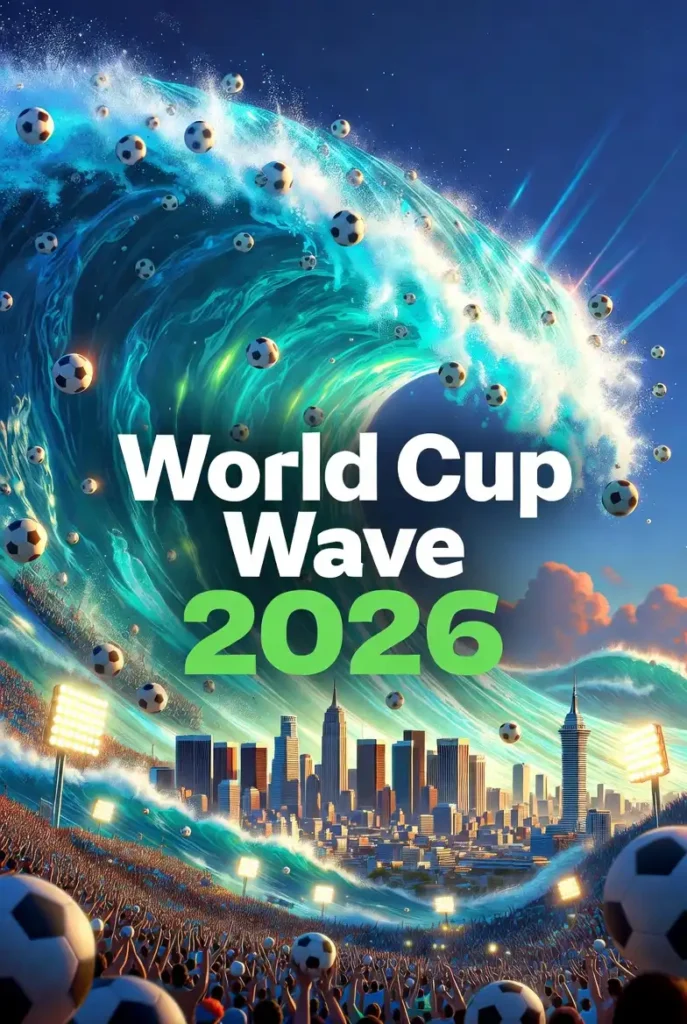
The World Cup Wave 2026 represents more than hype. It’s a measurable spike in Google searches, flight bookings, and ticket requests that started gaining serious momentum in early 2026. As we sit in April, with the tournament starting on June 11, the wave is reaching its peak. People want to know who qualified, where to stay, how much tickets cost, and who might lift the trophy in July. Whether you’re a die-hard supporter or a casual viewer planning your first big soccer experience, this guide breaks down exactly what’s driving the buzz right now.
What Is the World Cup Wave and Why Is 2026 So Massive?
The term World Cup Wave 2026 captures the global flood of online activity, travel planning, and fan engagement leading up to the tournament. Unlike previous editions, this one feels different because of its scale. For the first time, 48 teams will compete instead of 32, meaning more nations, more matches, and more opportunities for surprises.
The co-hosting by the United States, Canada, and Mexico adds another layer of excitement. Fans can travel between vibrant cities without needing long-haul flights between continents. The opening match kicks off on June 11, 2026, at the iconic Estadio Azteca in Mexico City, where hosts Mexico face South Africa. The final is scheduled for July 19 at MetLife Stadium in New York/New Jersey. This expanded format and North American setting have created unprecedented accessibility for fans from across the Americas and beyond.
Search interest exploded after the final group draw and the last qualification spots were confirmed in late March and early April 2026. Suddenly, people realized they could actually attend or follow the action closely. The World Cup Wave 2026 is fueled by families booking group trips, young fans planning multi-city adventures, and even businesses preparing for the economic boost. Early data from travel platforms shows families and groups making up over half of the bookings, with many planning 4- to 7-night stays.
FIFA World Cup 2026: Key Facts at a Glance
Before diving deeper, here are the essentials everyone is searching for:
- Dates: June 11 to July 19, 2026 (39 days of football)
- Teams: Record 48 qualified nations
- Matches: 104 total (72 in group stage + knockout rounds)
- Host Cities: 16 venues across three countries — 11 in the USA, 3 in Mexico, 2 in Canada
- Opening Match: Mexico vs South Africa, Estadio Azteca, Mexico City
- Final: July 19, MetLife Stadium, New York/New Jersey
The qualified teams span all confederations. From Europe: powerhouses like France, Spain, England, Germany, Portugal, and newcomers or returnees such as Bosnia and Herzegovina, Czechia, and Sweden. South America brings Argentina (defending champions), Brazil, Uruguay, Colombia, Ecuador, and Paraguay. Africa contributes strong sides including Morocco, Senegal, Egypt, and Ivory Coast. Asia features Japan, South Korea, Australia, Iran, and debutants like Jordan and Uzbekistan. North America’s hosts (USA, Mexico, Canada) are joined by Haiti, Panama, and Curaçao.
This diversity is one reason the World Cup Wave 2026 feels so inclusive. Fans from Pakistan to Peru are checking schedules, hoping their team creates magic on the biggest stage.
Top Things People Are Searching For Right Now
Current Google Trends and travel data reveal clear patterns in what fans want to know.
First, everyone wants the full list of qualified teams and the group stage draw. With 12 groups of four teams each, the early fixtures are packed with intriguing matchups. People are also hunting for the complete schedule so they can plan around their favorite team’s games.
Travel is another huge driver. Searches for flights, hotels, and accommodation in host cities have surged. Popular platforms report the United States, United Kingdom, Canada, and Mexico leading the pack in booking interest. Families dominate, often looking for stays near stadiums or in walkable downtown areas.
Ticket information ranks high too. With over 500 million ticket requests recorded in early sales phases, fans are anxious about pricing and availability. Official sales continue, but many are exploring safe resale options while complaining about high costs for premium matches.
Predictions and favorites also trend heavily. Who will win? Early betting and search data point to Spain and France as co-favorites, followed by England, Argentina, and Brazil. Star players like Kylian Mbappé, Lionel Messi (in what may be his final World Cup), and Cristiano Ronaldo (at 41) are generating massive interest.
Most Searched Matches and High-Demand Fixtures
Certain games are standing out in travel and ticket searches.
Early standouts include:
- Haiti vs Scotland in Boston
- Brazil vs Morocco in East Rutherford, New Jersey
- Mexico vs South Africa (opening match) in Mexico City
- France vs Senegal in East Rutherford
- USA vs Paraguay in Los Angeles
These matches combine big-name teams with convenient locations or emotional storylines. For example, the presence of co-hosts USA, Mexico, and Canada in early groups creates natural demand from local and regional fans. Knockout stage projections, especially potential USA or Mexico advancement, are also boosting searches for later venues like Los Angeles and Miami.
Why these spikes? Proximity matters. Fans prefer matches they can reach by short flights or even road trips. Latin American supporters are booking longer stays, while European fans focus on transatlantic packages.
Best Host Cities for the World Cup 2026
Sixteen cities will host matches, but a few are dominating searches and bookings.
Los Angeles (SoFi Stadium) appeals strongly to families thanks to its weather, attractions, and multiple matches including a likely USA opener. New York/New Jersey (MetLife Stadium) draws younger crowds and international visitors because of its global vibe and the final. Miami offers party energy and is popular for its beaches and nightlife.
Other hot spots include:
- Boston (historic charm and early high-demand games)
- Seattle and Vancouver (Pacific Northwest appeal)
- Mexico City and Guadalajara (passionate local atmosphere)
- Toronto (Canada’s biggest stage)
Each city brings something unique. Families lean toward Los Angeles or Orlando-area options, while groups of friends target Miami or New York for the full fan experience. Hidden gems like Kansas City or Atlanta offer potentially lower costs and fewer crowds.
World Cup 2026 Travel Trends and Tips
Travel data paints a clear picture of the World Cup Wave 2026. US, UK, and Canadian travelers lead searches, but Latin America shows huge interest with a gap between searches and actual bookings — especially from Argentina fans.
Families and large groups dominate bookings. Many plan multi-city itineraries, flying between matches. Tips for smart planning:
- Book flights early as prices rise quickly once team schedules firm up.
- Consider mid-week games for better availability and lower hotel rates.
- Use points and miles for transatlantic routes where capacity has increased slightly.
- Look at smaller host cities for value — some show year-over-year flight booking increases of 30-40%.
Safety, transportation between venues, and budgeting for food and merchandise are also frequent search topics. Public transport and rideshares will be key in bigger cities.
Tickets, Prices, and How to Watch
Ticket prices have drawn complaints, with some premium seats exceeding $2,000. Early group-stage matches remain more affordable, starting around $600 in secondary markets. FIFA’s official site is the safest place to buy, though limited resale options exist.
For those watching from home — especially in regions like Pakistan — streaming and broadcast details matter. Major networks in different countries will carry games, with many offering free or low-cost highlights on YouTube. Apps and official FIFA platforms will provide live scores and updates.
Star Players, Predictions, and Storylines Everyone Is Talking About
The human stories fuel the wave. Lionel Messi, now 38-39 during the tournament, chases more history after 2022 glory. Kylian Mbappé aims to cement his status as the world’s best. Cristiano Ronaldo, at 41, could still surprise. Rising talents like Lamine Yamal and Jude Bellingham add fresh excitement.
Predictions vary, but many experts favor France or Spain for their depth and form. Argentina remains dangerous thanks to Messi’s magic. Dark horses include teams like Japan or Turkey with young squads.
Emotional angles — potential Messi vs Ronaldo clashes, co-host pressure on USA/Mexico/Canada, and debutant stories — keep fans engaged daily.
How the World Cup Wave Is Changing Soccer in North America
This tournament could permanently grow soccer’s popularity in the US and Canada. Casual “World Cup Wave” viewers who discover the sport through accessible hosting may become lifelong MLS or national team fans. Economically, host cities expect massive boosts in tourism, hospitality, and local businesses.
For Pakistan and other South Asian fans, the time zone difference (matches mostly in afternoon/evening North American time) makes viewing convenient. Online communities and watch parties will thrive.
Practical Tips to Ride the World Cup Wave
Whether attending or following remotely:
- Set Google Alerts for your team’s fixtures.
- Compare multi-city flight deals now.
- Budget realistically — tickets, travel, and accommodation add up fast.
- For businesses in host cities: prepare for crowds with extended hours and soccer-themed offerings.
- Stay safe by using official apps and avoiding unofficial ticket sellers.
From home, join global watch parties or fantasy leagues to feel part of the wave.
Conclusion
The World Cup Wave 2026 is unlike anything seen before. With record teams, epic venues, and superstar storylines, the next few months will be unforgettable. Whether you’re searching for tickets, planning travel, or simply predicting winners, now is the time to dive in.
Check the official FIFA schedule, start comparing flights and stays, and mark your calendar for June 11. The biggest football festival on earth is coming — and the wave is only getting stronger.
Are you riding the World Cup Wave 2026? Drop your favorite team or dream match in the comments below, and start planning today. The kickoff is closer than you think!
About the Author